If you’ve looked at homes in Las Vegas recently—or even just scrolled social media—you’ve probably seen the question pop up:
“Is Las Vegas running out of water?”
It’s a fair concern. We live in the desert, Lake Mead has made headlines for years, and water security feels like a big, emotional issue—especially for people considering a long-term investment like a home.
The short answer? Las Vegas is not running out of water.
The longer (and more important) answer explains why.
Where Las Vegas Water Actually Comes From
Southern Nevada gets the majority of its water from the Colorado River via Lake Mead, with a smaller portion coming from a local underground aquifer. What many people don’t realize is that Las Vegas doesn’t just use water—it recycles almost all indoor water back into Lake Mead through an advanced return-flow credit system.
That means water used inside homes—showers, sinks, washing machines—comes back into the system and can be reused again and again. Outdoor water use is the real challenge, which is why conservation efforts focus so heavily on landscaping.
Lake Mead Headlines vs. Reality
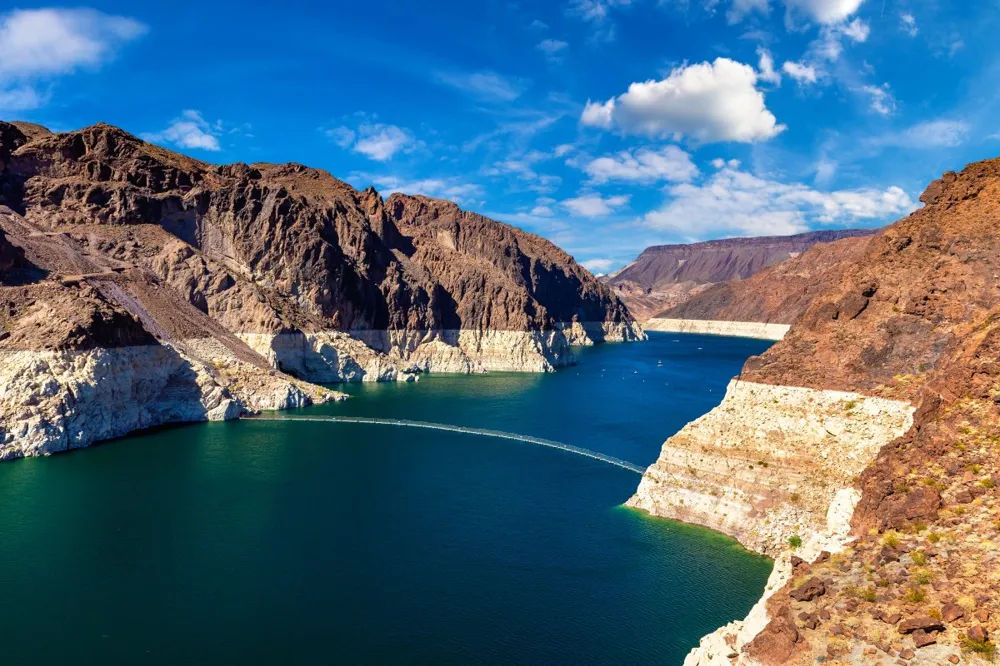
Yes, Lake Mead has been at historically low levels due to long-term drought and climate change. But headlines often miss a key point: Southern Nevada planned for this decades ago.
The region operates under shortage agreements with the federal government and other Colorado River states. Even during Tier 1 shortage declarations, Las Vegas still maintains access to its allocated water through stored reserves and banking agreements across multiple states.
In other words, this isn’t a surprise scenario—we’ve been managing it strategically for years.
The Infrastructure That Changed Everything
One of the biggest reasons Las Vegas remains water-secure is infrastructure most cities don’t have.
Southern Nevada invested billions in projects like deep-water intake systems and a low-lake-level pumping station, which allow the city to draw water even if Lake Mead drops below levels that would cut off other states entirely.
This system was built specifically to protect homeowners, businesses, and long-term growth—even under worst-case drought scenarios.
Why Conservation Rules Exist (and Why They Work)
Las Vegas isn’t ignoring the problem—it’s managing it.
You’ve probably noticed:
- Seasonal watering schedules
- Limits on watering days
- The removal of non-functional decorative grass in commercial areas
These rules aren’t signs of panic—they’re signs of smart planning.
In fact, Southern Nevada has reduced per-person water use dramatically over the last two decades while continuing to grow in population. That’s not accidental; it’s the result of aggressive conservation programs and incentives that reward water-smart choices.
What This Means for Homebuyers
If you’re considering buying in Las Vegas, water concerns should be viewed through a realistic lens—not fear-based headlines.
Las Vegas has:
- Long-term water rights and reserves
- Redundant infrastructure designed for drought conditions
- Strong conservation policies that protect supply
- Ongoing planning beyond current Colorado River agreements
From an investment standpoint, cities that plan ahead tend to protect property values better than those that react too late.
What This Means for Homeowners
For current homeowners, water-smart landscaping and efficiency upgrades aren’t just good for the environment—they often reduce monthly expenses and can improve resale appeal.
Many buyers today actually prefer desert-friendly landscaping over high-maintenance grass, especially when they understand the cost savings and sustainability benefits.
The Bottom Line
Las Vegas isn’t running out of water—but it is running smarter.
The city’s approach combines infrastructure, conservation, and long-term planning in a way few desert metros can match. Understanding that difference is key when evaluating real estate decisions here.
If you’re hearing conflicting information online or want to understand how water policy impacts specific neighborhoods or property types, that’s a conversation worth having—with facts, not fear.